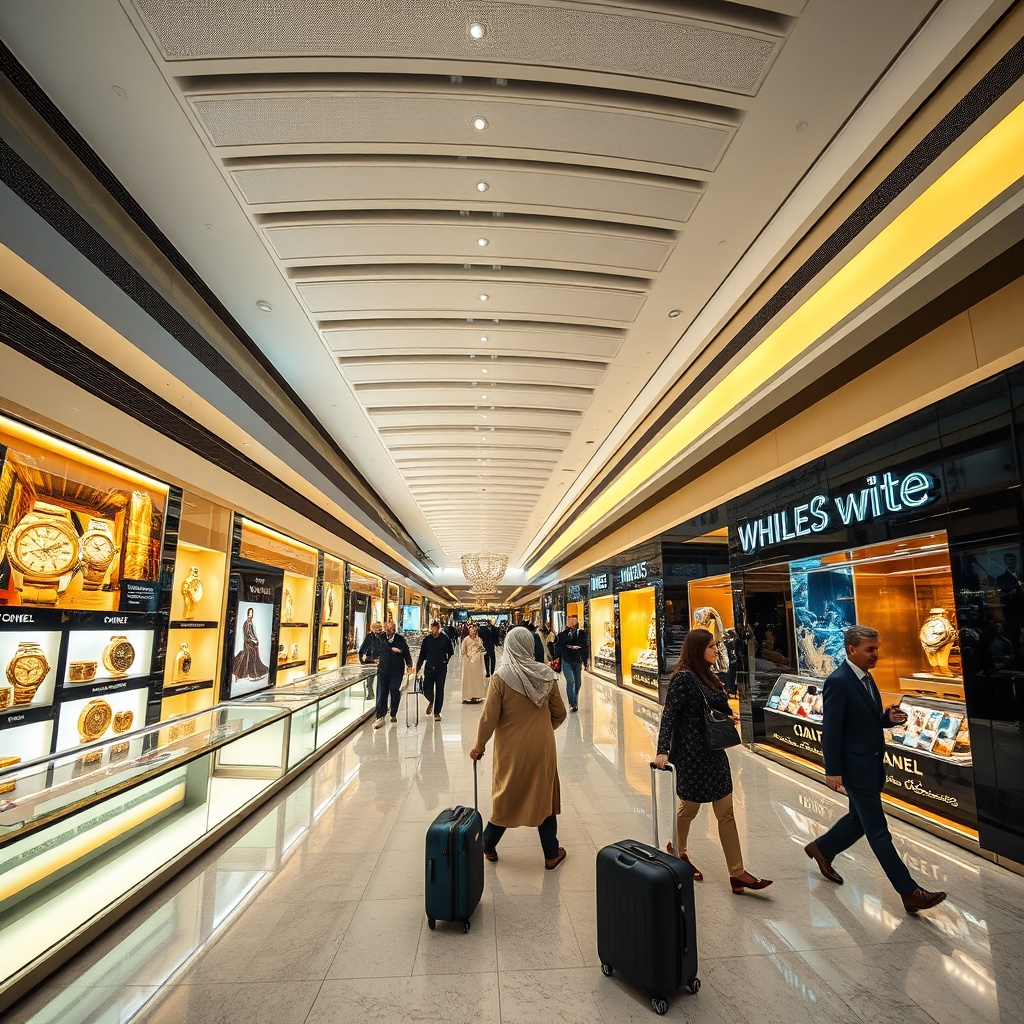
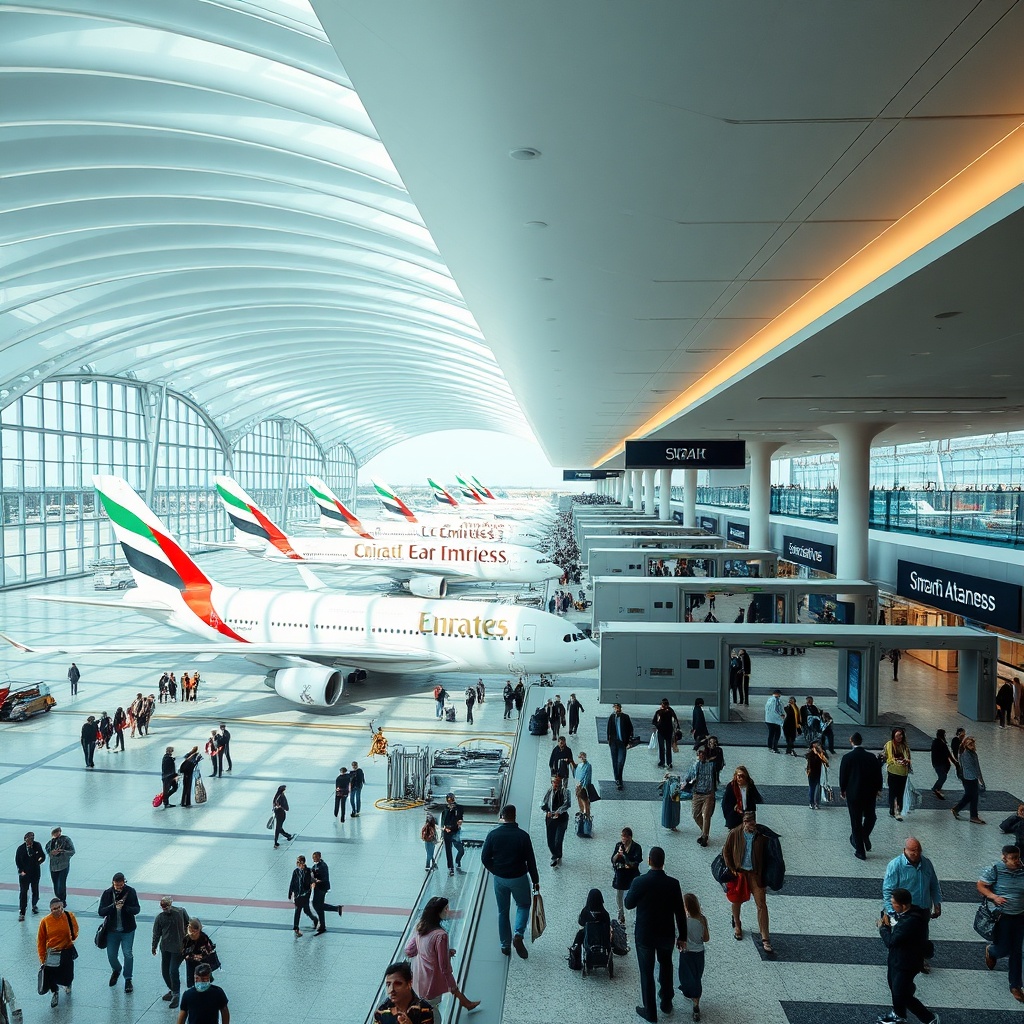
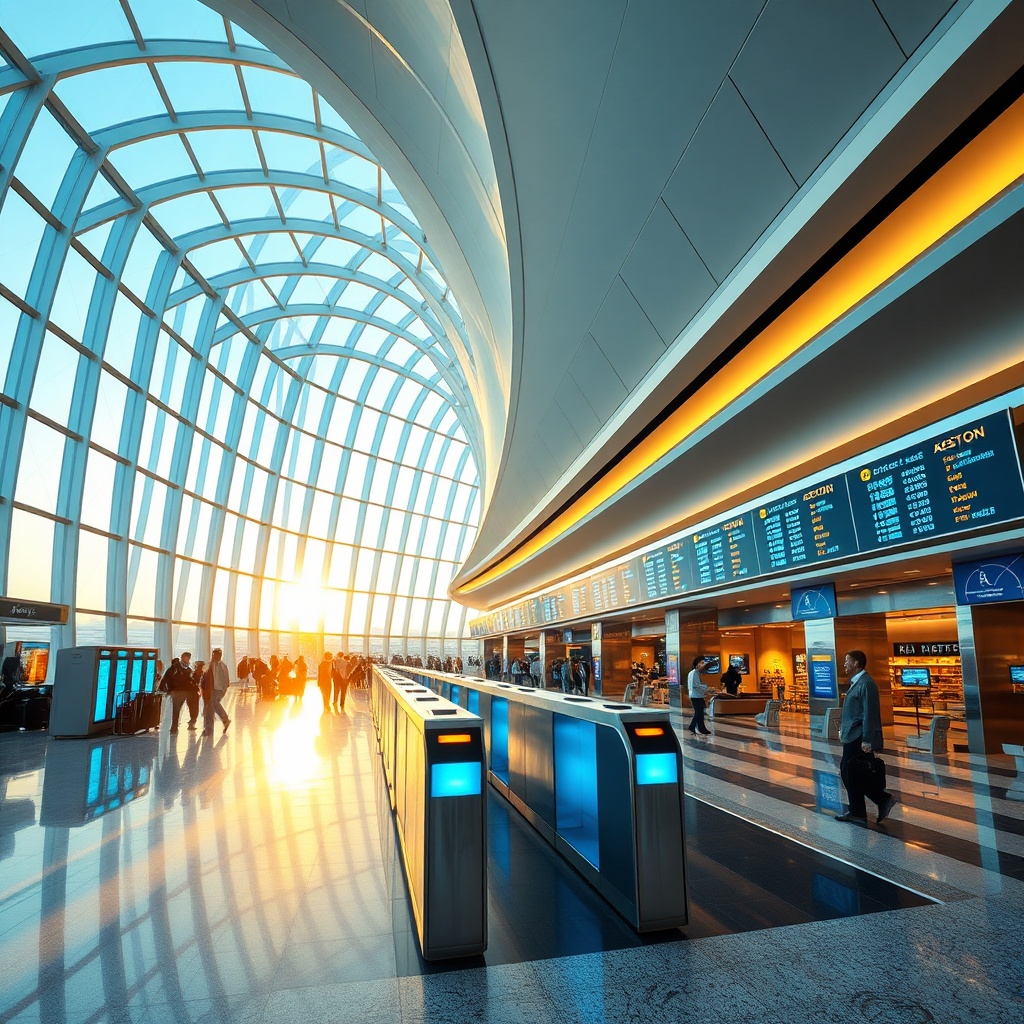
Dubai International Airport (DXB) and Al Maktoum International Airport (DWC) are the two pillars of Dubai's aviation future, and 2026 is a pivotal year for both. Travelers and businesses can expect ongoing terminal upgrades, the continued rollout of smart airport technology, and the gradual shift of focus toward DWC as the city's long-term mega-hub. This article provides a definitive snapshot of what Dubai Airport 2026 holds for passengers, airlines, and the aviation industry.
Quick Answer: Dubai Airport in 2026 is defined by a dual-airport strategy where DXB remains the primary city gateway for most passengers, while DWC is being positioned as the future mega-hub. The year is marked by continued infrastructure upgrades, advanced biometric systems, and a focus on enhancing the transit experience.
Key Takeaways
- Dubai operates a two-airport system: DXB for core passenger traffic and DWC for future mega-hub expansion.
- Terminal and runway upgrades at DXB are ongoing to increase passenger capacity and streamline operations.
- Al Maktoum International (DWC) is the long-term strategic focus, with a master plan designed for massive future capacity.
- Smart airport technology, including biometric passenger flow and AI-based systems, is being rolled out across terminals.
- Travelers should plan for potential revised transfer times and check the latest official updates before flying.
The Complete Answer: What Is the State of Dubai Airport in 2026?
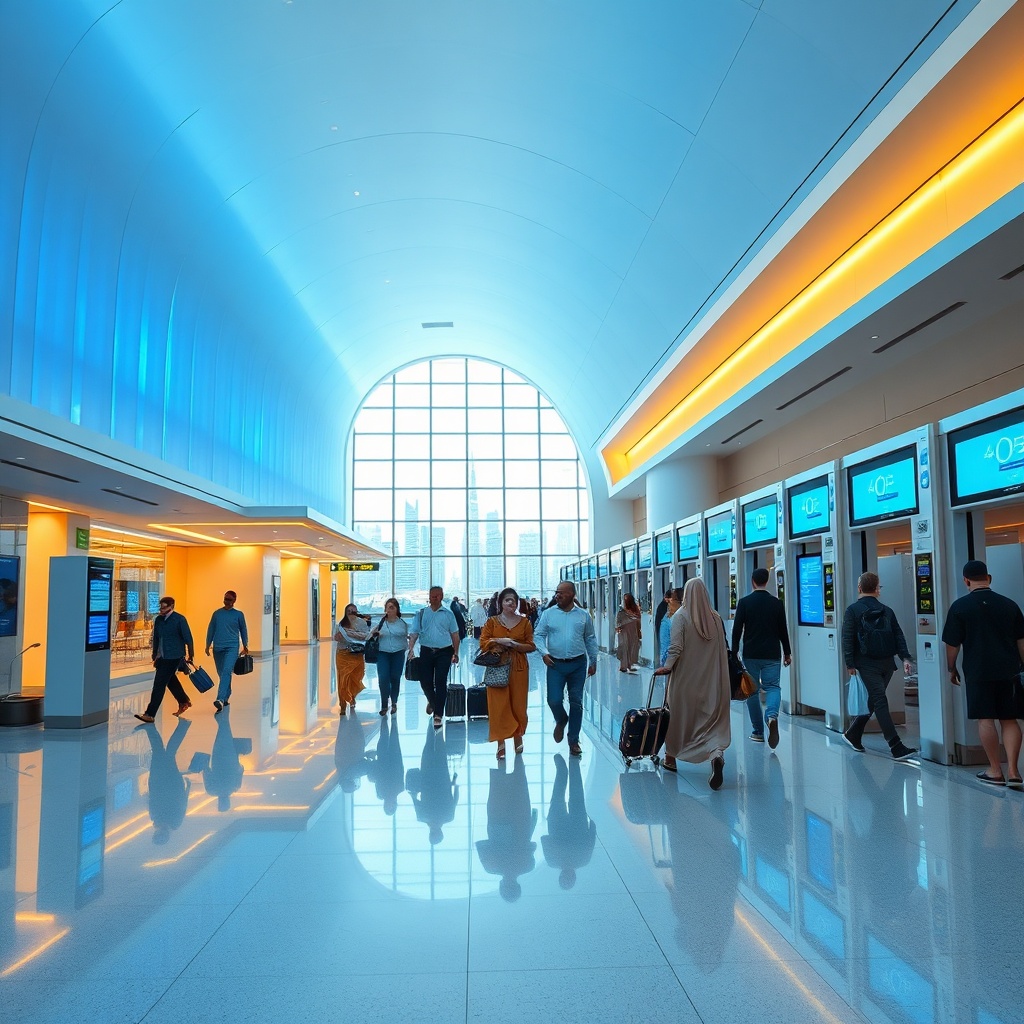
A glimpse of the enhanced passenger experience at Dubai's main airport, highlighting the integration of biometric systems and digital wayfinding.
The Dual-Airport Strategy: DXB and DWC in 2026
Dubai's aviation strategy in 2026 is built on a clear division of roles between its two airports. DXB, located in the heart of the city, serves as the immediate gateway for the vast majority of international passengers and remains the primary hub for Emirates Airlines. Its proximity to the city center makes it the preferred choice for business travelers and tourists staying in Dubai.
In contrast, DWC is the long-term strategic investment. Located in the Dubai South district, it is designed to eventually become the world's largest airport by passenger capacity. In 2026, its role is expanding, but it is not yet the primary hub for most major airlines. The model allows DXB to continue operating at high capacity while DWC is developed for future growth.
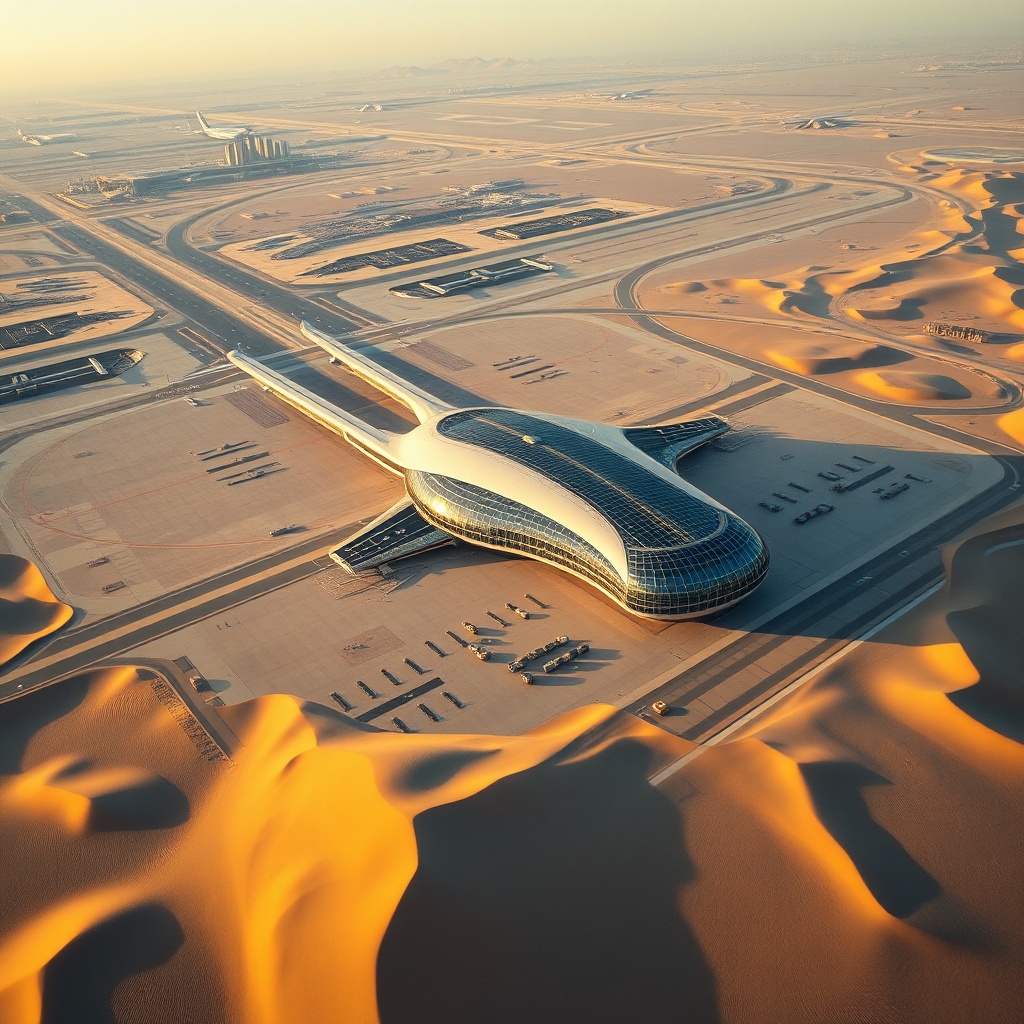
An artistic visualization of the long-term strategic expansion at Dubai's second airport, emphasizing its scale and role in the city's aviation future.
Capacity and Passenger Numbers: What to Expect
DXB is designed to handle a very high volume of passengers, consistently ranking among the busiest airports globally for international passenger traffic. While specific 2026 figures are subject to official release, the airport continues to operate near its design capacity, which is why the expansion of DWC is so critical. The capacity expansion plans at both airports are directly aligned with Dubai's broader tourism and business growth targets, aiming to accommodate an increasing number of visitors and transit passengers.
Major Infrastructure Upgrades Underway or Completed by 2026
At DXB, ongoing work focuses on optimizing and upgrading existing facilities. This includes improvements to baggage handling systems and apron areas to increase efficiency. While major new terminal construction is largely scheduled for DWC, DXB's upgrades are crucial for maintaining service levels in 2026. These projects aim to reduce delays, improve passenger flow, and enhance the overall experience at the city's main airport.
Navigating Dubai Airport 2026 — What Passengers Need to Know
Check-In, Security, and Immigration: The 2026 Experience
The passenger journey at Dubai Airport in 2026 is increasingly automated and digital. The goal is to reduce friction and get travelers from the curb to the gate with minimal manual intervention. While the specific availability of each system can vary, the general process is becoming more streamlined.
- Use the Dubai Airport app for check-in and biometric data submission. This allows passengers to complete most formalities before arriving.
- Proceed to self-service bag drop. This reduces queues and speeds up the check-in process.
- Enter the biometric e-gate at security. Facial recognition is being used to verify identity without the need for physical documents at key touchpoints.
- Use smart immigration lanes. For eligible nationalities, automated gates allow for rapid passport control.
- Board via facial recognition at the gate. The final step of the journey is also automated, allowing for faster and more secure boarding.
Definition: Smart airport technology refers to the integration of digital systems—such as biometrics, AI, and IoT—to automate and optimize airport operations, from passenger processing to baggage handling.
Transfer and Layover Experience in 2026
For transit passengers, Dubai is a key hub. The transfer experience is a major focus, with new lounges and entertainment zones designed to make layovers more comfortable. Passengers connecting between DXB and DWC must plan for a significant transfer time, as the airports are located about 40 kilometers apart. Dedicated shuttle services and taxis are available, but the journey can take considerable time, so travelers should always check their connection times carefully. For those seeking luxury during a layover, exploring Dubai Airport Lounges: 7 Ways To Get In can transform a long wait into a relaxing experience.
Smart Technology and Digital Services
The integration of biometric facial recognition is a hallmark of the 2026 experience, aiming to create a "walk-through" airport where passengers do not need to present documents repeatedly. Real-time flight tracking and AI-driven systems are also being used to manage gate changes and optimize passenger flow, ensuring travelers receive the most up-to-date information.
Dubai Airport 2026 — The Business and Cargo Perspective
Cargo and Logistics Hub Developments
Beyond passengers, Dubai's airports are critical logistics hubs. DWC, in particular, is scaling its cargo operations to support the growth of e-commerce and regional trade. The expansion of the cargo village and dedicated freighter capacity is a key part of the strategy, positioning Dubai as a major player in global supply chains.
Aviation Services, MRO, and Airport City
The aviation services sector, including maintenance, repair, and overhaul (MRO), is a growing industry around both airports. The Dubai South logistics district is central to this ecosystem, providing a connected environment for aviation-related companies. This integration of airport and logistics infrastructure creates a powerful hub for businesses operating in the region.
Sustainability Initiatives for 2026
Dubai Airports is actively pursuing sustainability goals. While specific, verifiable 2026 targets are not available here, the general direction includes the adoption of electric ground support equipment and the integration of sustainable aviation fuel (SAF) supply. Water conservation and waste management programs are also standard practices, reflecting a broader industry-wide push toward greener operations.
Dubai Airport 2026 vs. Regional Competitors — A Comparative Analysis
How Dubai Airports Compare to Other Gulf Hubs
Dubai faces strong competition from other major hubs in the region. A direct comparison highlights the different strengths of each airport.
| Airport | Key Hub | Primary Role | Strategic Focus |
|---|---|---|---|
| Dubai (DXB/DWC) | Emirates | City gateway & mega-hub | Dual-airport strategy to manage growth |
| Doha Hamad | Qatar Airways | Major international hub | Focus on premium transit experience |
| Abu Dhabi Zayed International | Etihad Airways | Growing international hub | Expansion and new terminal development |
| Istanbul | Turkish Airlines | Global connectivity hub | Massive single-airport expansion |
Note: Specific passenger capacity and terminal size figures are subject to change and should be verified from official airport authorities for accurate, up-to-date comparisons.
Strengths and Weaknesses of the Dubai Model
Dubai's primary strength lies in its geographic location, which makes it a natural stopover between East and West. Its strong partnership with Emirates Airlines and massive infrastructure investment are also key advantages. However, the model has weaknesses, including congestion at DXB, a heavy dependence on transit traffic, and intense competition from other Gulf hubs that are also investing heavily in their own expansion.
What Sets Dubai Airport Apart in 2026
The unique two-airport system is Dubai's most distinctive feature. This, combined with the scale of its duty-free offerings and an integrated transport network that connects to the city's metro and road system, sets it apart. In 2026, these features are being enhanced with smart technology to create a more seamless and efficient experience for all travelers.
Future-Proofing Dubai Airport — Plans Beyond 2026
The Al Maktoum International (DWC) Master Plan
The long-term vision for DWC is an ambitious one. The master plan is designed to eventually accommodate a massive number of passengers, with multiple runways and hundreds of aircraft stands. However, this is a decades-long project. In 2026, the focus is on the phased approach, with some new facilities coming online while the full mega-hub vision remains years away. The DWC Airport Expansion 2026: 260M Capacity online is a key part of this long-term vision, which is ultimately intended to host the next generation of ultra-long-haul flights and serve as the primary gateway for the city's future.
Urban Air Mobility and Ground Transport Integration
Dubai is exploring the potential for urban air mobility, including air taxis and drone delivery services, which could eventually connect to the airport. On the ground, the expansion of transport networks is crucial. The Dubai Metro Red Line and the Etihad Rail network are part of a broader plan to integrate both airports into a seamless, multi-modal transport system, making it easier for passengers to move around the city.
Practical Travel Tips for Dubai Airport in 2026
Timing and Arrival Recommendations
For international flights, it is generally recommended to arrive at the airport at least three hours before departure. This buffer accounts for check-in, security, and immigration. To avoid peak congestion, travelers should be aware that the airport is busiest during the evening and late-night hours. Checking historical traffic patterns can help in planning a smoother journey.
Visa, Customs, and Duty-Free Rules
Visa-on-arrival policies are a major benefit for many nationalities, but these rules are subject to change and should always be checked before travel. Customs regulations and duty-free allowances are also standard, but travelers should be aware of any new security screening rules, particularly regarding electronics. It's always best to check official government sources for the latest requirements.
Connectivity, Wi-Fi, and Mobile Services
Free Wi-Fi is available across all terminals at Dubai Airport, allowing travelers to stay connected. For those needing a local number, tourist SIM cards can be purchased at the airport. Charging stations and power outlets are widely available in lounges and at gates, ensuring passengers can keep their devices powered during their journey.
FAQ Section
Is Dubai Airport open 24 hours in 2026?
Dubai International (DXB) operates 24 hours a day. Al Maktoum International (DWC) also operates 24 hours a day, though with a smaller volume of flights.
How long does it take to transfer between DXB and DWC in 2026?
The transfer between DXB and DWC takes approximately 40 to 60 minutes by road, depending on traffic. Travelers with connecting flights between these airports should allow for a minimum connection time of at least 4 hours to account for the journey and potential delays. To ensure a smooth connection, it's wise to review the DXB To DWC Transfer: How To Avoid Missing Your Flight.
What are the new technologies being implemented at Dubai Airport in 2026?
Key technologies include biometric facial recognition for check-in, security, and boarding, as well as AI-based systems for baggage handling and real-time flight management. The goal is to create a more automated and seamless passenger journey.
Which terminal is used by Emirates in 2026?
Emirates Airlines operates from Terminal 3 at Dubai International (DXB). This terminal is dedicated to Emirates and its partner airlines.
Are there any new direct flights from Dubai Airport in 2026?
New routes are announced regularly by airlines operating from Dubai. For the most current information on new direct flights, travelers should check the official websites of Emirates, flydubai, and other carriers. For a comprehensive overview of schedules and transit options, you can also refer to our guide on Dubai Airport Flights: 2026 Schedules & Transit Tips products.
Conclusion
Dubai Airport in 2026 represents a transition period. The dual-airport strategy is firmly in place, with DXB continuing to serve as the city's primary gateway while DWC is developed for the future. Ongoing upgrades and the integration of smart technology are enhancing the passenger experience, and the city's role as a critical global aviation hub remains secure. As 2026 marks a step toward the mega-hub vision at DWC, travelers and businesses should stay informed through official Dubai Airports channels to make the most of their journey.